One moment
Preparing the page.
Loading content…One moment
Preparing the page.
Loading content…Dark circles are not one problem but four: pigment, vascular, structural (the shadow of a hollow), or thin skin, and most people have a mix. You get rid of them by treating the specific cause, because a cream that helps pigment does nothing for a hollow, and filler that corrects a hollow does nothing for pigment. The first step is identifying which of the four is yours.

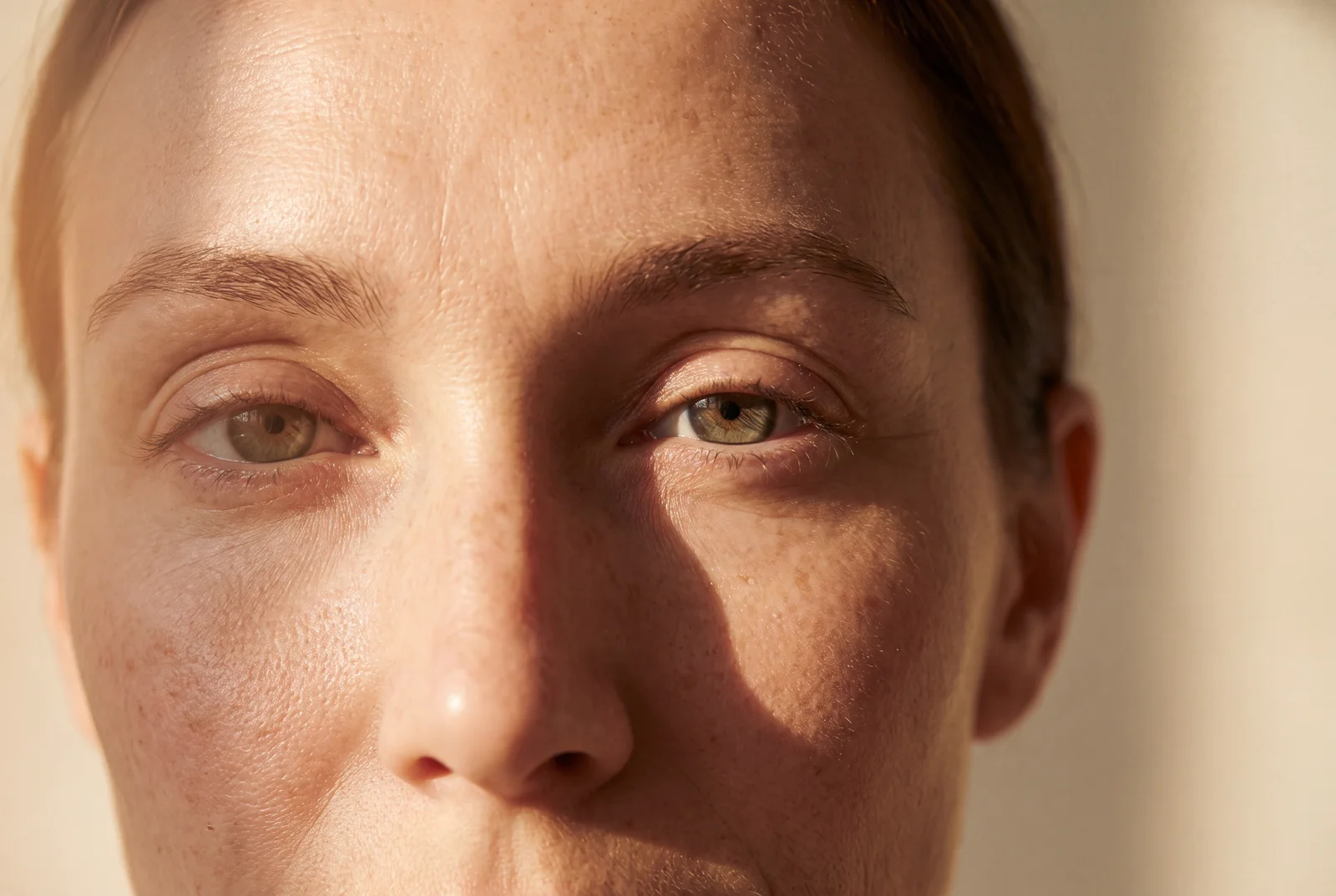
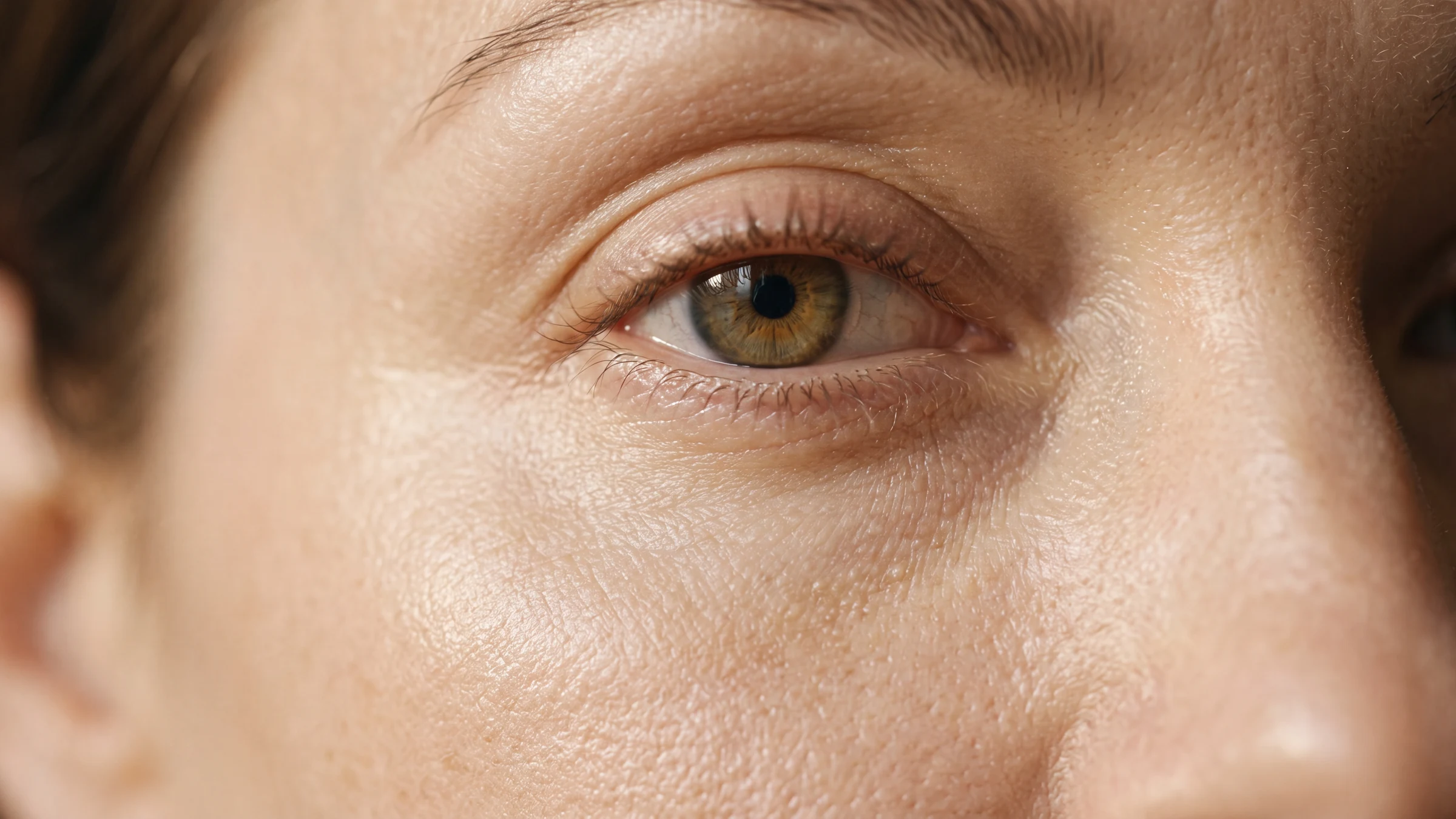
You have probably already bought the eye cream. Perhaps three of them, each promising to be the one, each quietly retired to the back of a drawer when the shadow stayed exactly where it was. It is one of the more dispiriting things a face can do, because the effort was real and the result was nothing. The reason is almost always the same, and it is not that you chose the wrong cream. It is that a cream was never going to work on the kind of dark circle you have.
Dark circles are not one problem but four. They can be pigment, a genuine brown sitting in the skin; vascular, the bluish show of vessels through skin that is naturally thin here; structural, a shadow cast by a small hollow where the lower lid meets the cheek; or simply thin, crepey skin that lets everything beneath show through. Most faces are a mixture. Getting rid of them means treating the one you actually have, because the fix for a hollow does nothing for a pigment, and the best pigment cream does nothing for a shadow. So the first move is not a product. It is working out which of the four is yours.
The four causes are recognised across the clinical literature (systematic review, PMID 32740208; 2026 multispecialty review, PMID 41615388), and they look and behave differently.
Pigment is real melanin in the skin, an even brown that does not shift with the light. It is often inherited and sun-driven, and it is the most common type in richer skin tones (Fitzpatrick IV to VI).
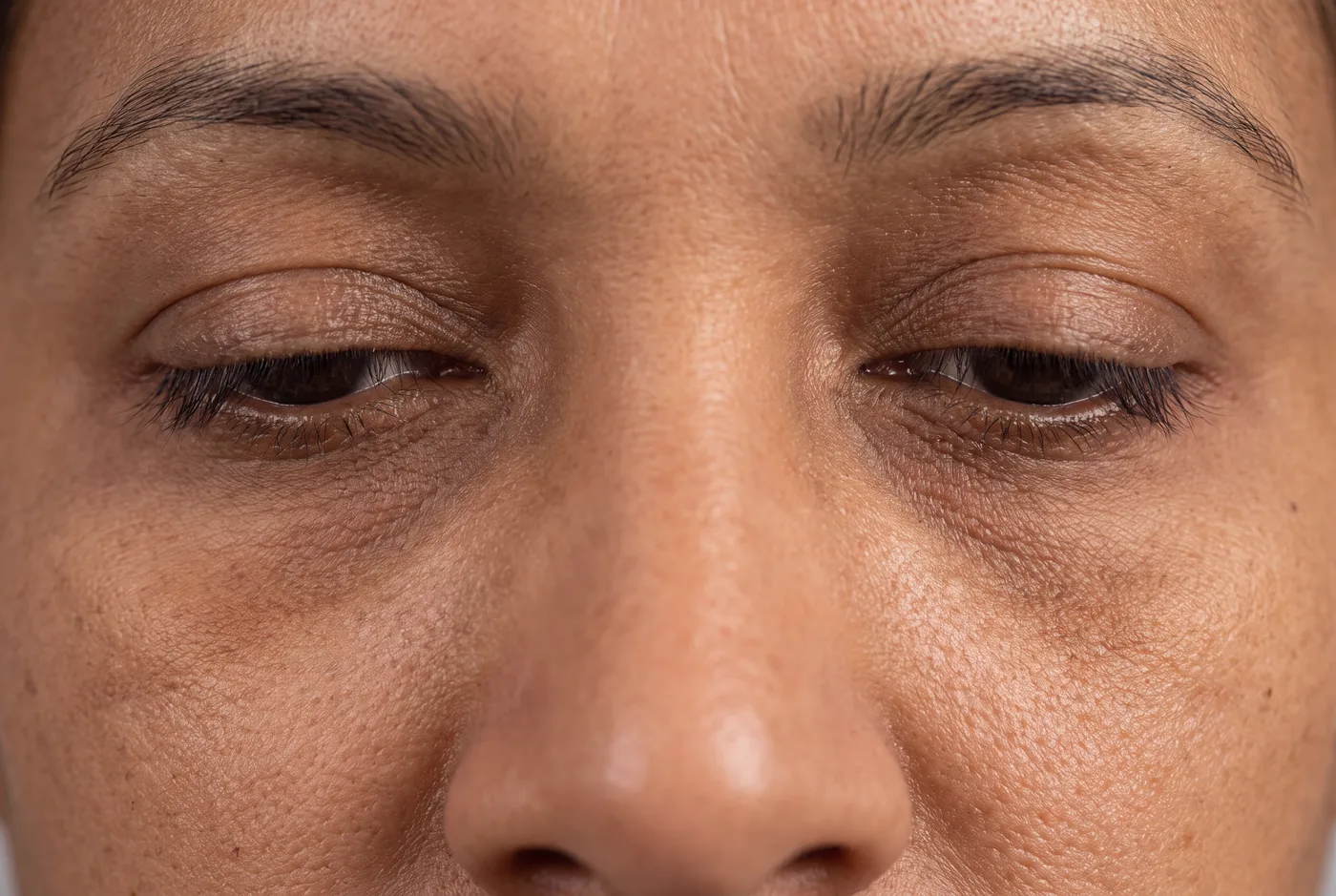
Vascular is the bluish or purple tint of the vessels and the dark orbicularis muscle showing through thin lower-lid skin. It is the one that looks worse when you are tired, dehydrated or run-down, because those genuinely change how much shows through.
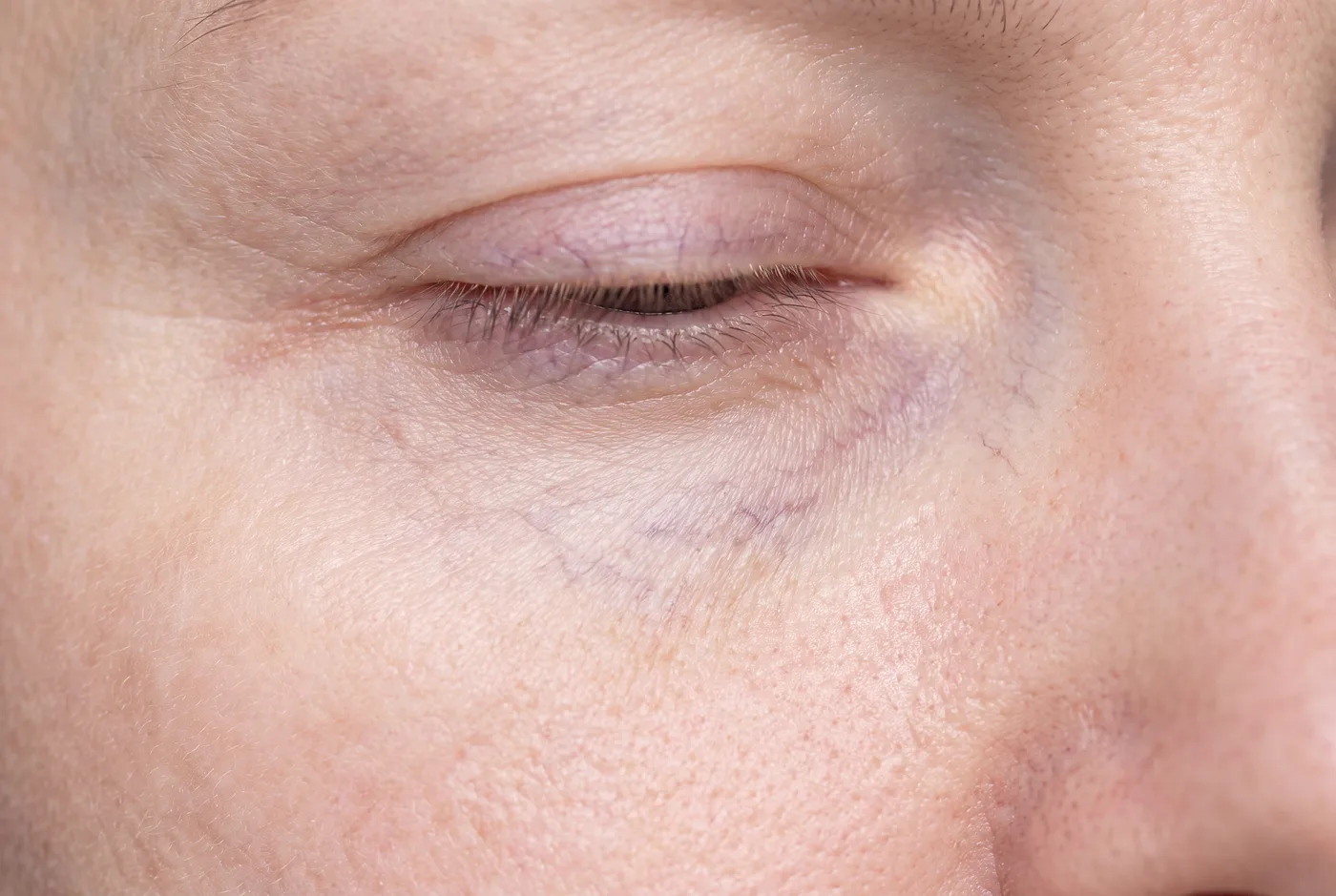
Structural is not a colour at all. It is a shadow. The tear-trough groove where the lid meets the cheek has deepened, usually with age or simply your inherited anatomy, and light falls into it. It changes with the angle of your face and the direction of the light, which is the giveaway.
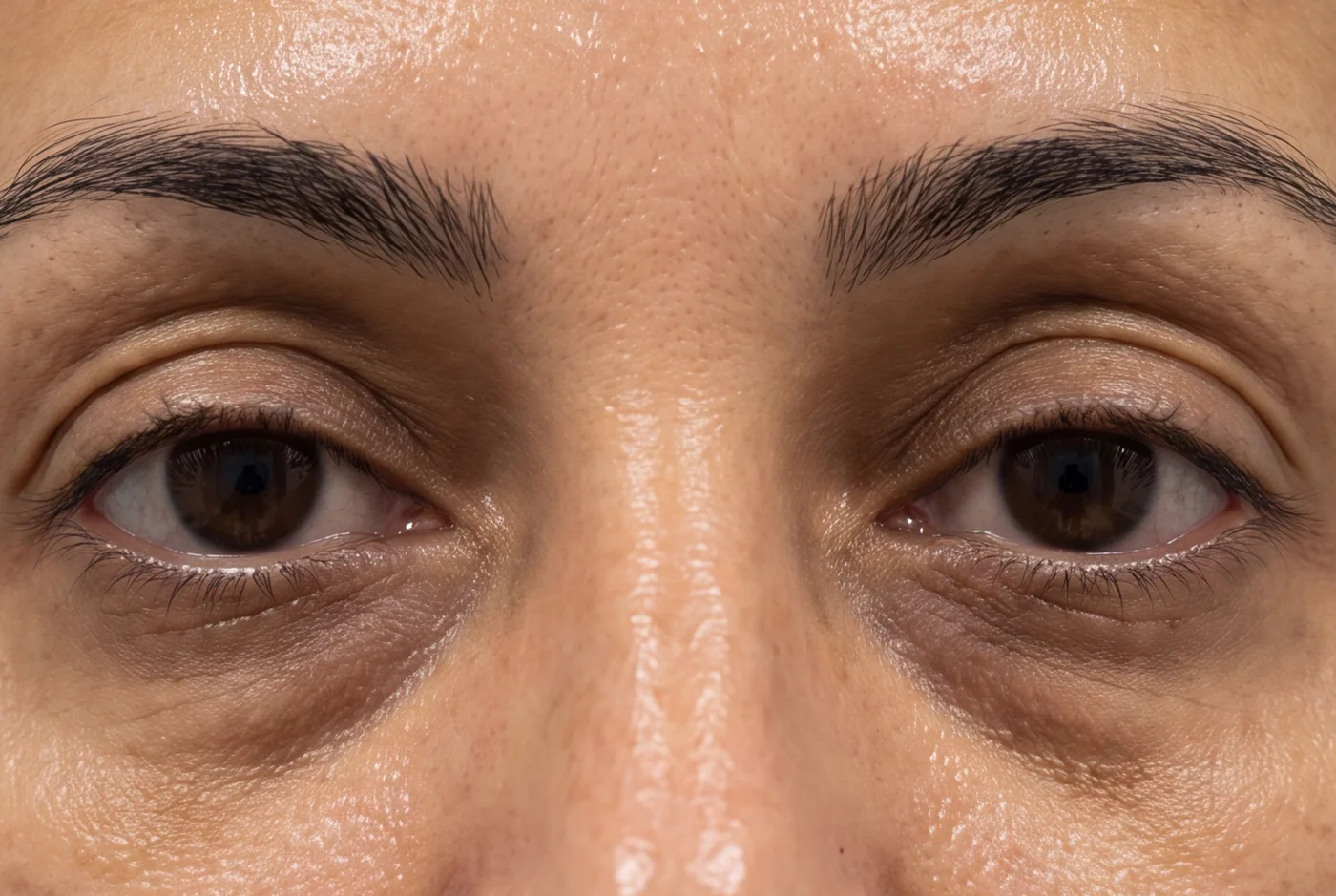
Thin skin is the crepey, papery quality that lets the muscle and vessels beneath read through, and it overlaps with the vascular type. It is where skin quality itself has thinned.
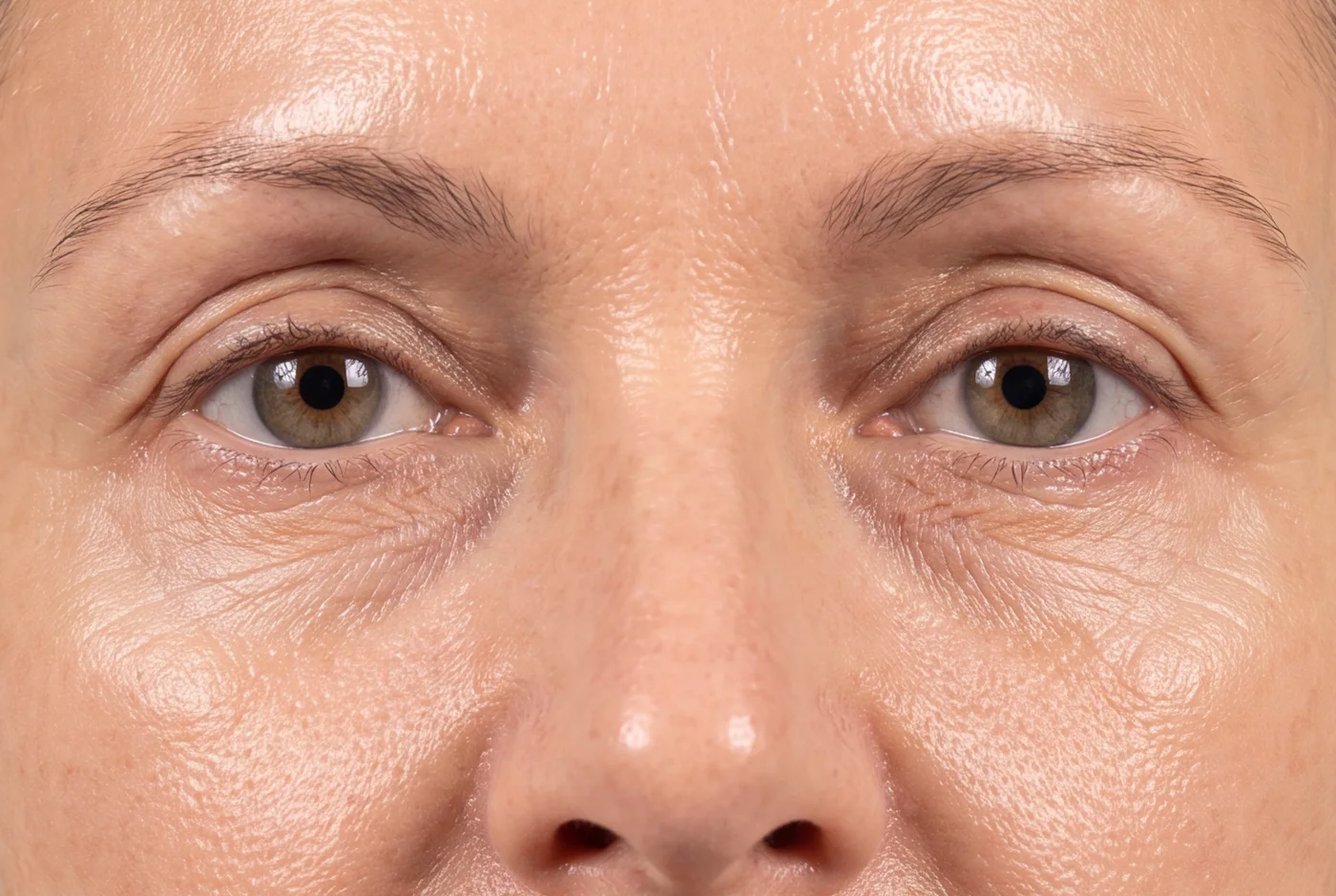
You can get a good first read at a mirror in under a minute. Three checks separate the four:
Very few people have only one. Most are a mixture, which is exactly why a single cream, or a single treatment, so often disappoints. If two of these apply to you, a consultation is where we read which of the four, and in what proportion, is actually yours.
Here is the honest version, because it decides whether a cream is worth your money. If your dark circle is pigment, topicals have real but modest evidence. Retinol and vitamin C are the best-supported actives in the wider skin-ageing literature, both graded highly in a 2024 systematic review of cosmeceuticals (PMID 38758222), and over months they genuinely nudge pigment. Vitamin K and caffeine, the two ingredients marketed hardest for dark circles, rest on much thinner evidence and, at best, give a mild and temporary effect on puffiness and vessels.
If your circle is a hollow or a structural shadow, no cream reaches the problem, because there is nothing at the surface of the skin to correct. Concealer, and a peach or orange colour corrector over a bluish or brown tone, will cover it convincingly, but that is camouflage, not treatment. Both are perfectly reasonable. You simply want to know which one you are doing, and stop paying treatment prices for a product that can only ever cover.
"Permanently" is the wrong word for most of them, and the honest answer matters. Pigment can be lightened substantially, but genetics and sun keep re-depositing it, so it is managed rather than cured. A hollow corrected with filler is gone for as long as the filler lasts, typically eight to twelve months (tear-trough systematic review, PMID 34192769), then topped up. Thin skin is improved and maintained, not permanently thickened. The one thing that does last is the diagnosis: once you know which kind you have, you stop losing years to the wrong fix. No cream, and no single treatment, removes dark circles forever.
Match the treatment to the cause and the results in the literature are genuinely good. Ignore the cause and even an excellent treatment disappoints. The trials in this area are small, and the reviews ask for larger ones (PMID 32740208), so what follows is a map of the best current evidence, not a guarantee.
| Type | What it looks like | What treats it |
|---|---|---|
| Pigment | An even brown that stays put in any light | Retinol and vitamin C, chemical peels, vitamin C mesotherapy, IPL and laser |
| Vascular | A blue-purple tint that fades when the skin is stretched | Laser to the vessels and the overlying tint |
| Structural (a hollow) | A shadow that lifts when you tilt to the light | Tear-trough filler |
| Thin skin | Crepey, papery skin that shows everything beneath | Polynucleotides and microneedling |
For a hollow (structural). A tear-trough filler, a carefully placed hyaluronic acid set deep against the bone, is the most effective option for a shadow caused by volume loss (PMID 32740208), with high satisfaction and results lasting eight to twelve months (PMID 34192769). It is also the highest-skill injection on the face, placed over major vessels, so who does it matters more here than almost anywhere else on the face.
For pigment. Pigment responds to a layered approach: topical retinol and vitamin C, chemical peels, and vitamin C mesotherapy. The one head-to-head trial put all three against each other in 45 women, fifteen per arm, and found no statistically significant difference between any of them on pigmentation or on satisfaction (comparative trial, 45 patients, PMID 29767467). That is a useful result rather than a disappointing one: it means the choice between them is made on your skin and your tolerance, not on a ranking. Lasers add to this. The strongest reported pigment results come from intense pulsed light and ruby laser used alongside a depigmenting agent, which also lowers the rate of post-inflammatory hyperpigmentation (systematic review, PMID 37661041). Our under-eye laser and pigmentation pages go further on this.
For the vascular type. Laser is the mainstay, and across the trials roughly three in four patients were satisfied after a course (laser systematic review, PMID 33474663). It works on the vessels and the overlying tint together.
For thin skin. Where thin, poor-quality under-eye skin is the driver, polynucleotides and microneedling improve the texture and thickness of the skin itself (PMID 41615388). That is a treatment in its own right, and I have written separately on polynucleotides for the under-eye.
When it is genuinely surgical. If the problem is herniated fat pads or truly lax lower-lid skin, no injectable or laser substitutes for surgery, and lower-lid blepharoplasty is the honest answer (PMID 32740208). I would tell you that rather than sell you a course that cannot reach it.
Dark circles are four different problems wearing one name. Almost every disappointing result I have seen is a good treatment aimed at the wrong one.
Dr Dana BeikiIf you take one thing from this, take this: identify the cause before you buy the cure. A short assessment establishes which of the four, or which combination, is yours, and therefore which of these treatments will actually move your face and which would waste your money. Our dark circles page sets out how we treat each at the clinic, and a consultation is where that reading happens.
I do not treat dark circles. I treat a pigment, or a shadow, or a vessel, or thin skin, whichever one is actually yours, because matching the cause is the only thing that has ever reliably worked.
However you begin, it starts with a conversation.
Book a consultation with Dr Beiki, or start free with an online assessment in your own time.
Rated 5.0 on Google · 30 reviews
Goodlight Wellness Center · Bath